Toronto & GTA Basement Flood DefenseUp to $6,650 BFPSP

Basement backup risk or insurance deadline?

Priority Dispatch
17 Years Toronto Plumbing CSA B64.10 Certified WSIB & $2M CGL Licensed · Permitted · Rebate-Filed

Backwater Valve Installation in Toronto, ON | Licensed, Permitted & Rebate-Ready

Backwater Valve Installation Toronto installs and services backwater valves across Toronto and the GTA, from interior pit-based installs under basement floors to exterior excavated installs at the property line. A licensed plumber pulls the City of Toronto drain permit, installs Mainline Backwater Valves or backflow prevention devices rated for municipal sewer surge, backflow-tests on completion, and files the Toronto Basement Flooding Protection Subsidy paperwork so homeowners recover up to up to $6,650 of the install cost. Published CAD pricing, a written 2-year workmanship warranty and 2,400+ installs since 2008 behind us.

In our opinion, waiting for a second basement flood before installing a valve is the costliest gamble a Toronto homeowner can make. Mitchell Harrington, a licensed master plumber, founded the company in 2008, after the 2005 Finch Avenue washout showed him how many homeowners lost their subsidy to permit and paperwork hurdles. That paperwork is still the part we handle best. Honestly, we have never had a repeat caller wish they had waited one more storm.

City of Toronto Subsidy Handled For You

up-to-$1,600 per-valve grant + $2,250 sump + $300 battery pump combo. Full paperwork filing included.

Book Free In-Home Drain Assessment

Includes sewer lateral camera scope and subsidy verification

Written 2-Year Workmanship Warranty + City Permit Coordination

  • 17 Years of Toronto Backwater Valve Experience
  • 2,400+ Installs
  • 5-Star Customer Satisfaction
  • Top-Rated Toronto Backwater Valve Installer

One Licensed Crew, One Job: Keeping Sewer Water Out

Backwater Valve Toronto doesn't do kitchen faucets or water heaters. For 17 years our licensed Toronto plumbers have focused on one job: keeping sewer water out of basements. That focus shows up in the details. We run a sewer camera inspection on every lateral before quoting, pull the City of Toronto drain permit ourselves, backflow-test every valve to CSA B64.10, and file the Basement Flooding Protection Subsidy for you.

More than 2,400 installs later, we know where the building drain hides in a North York split-level, how Leda clay behaves in a Scarborough trench, and what a Toronto underwriter wants to see on an invoice. You get one crew from assessment to rebate cheque. Which, between you and me, is the whole reason this company exists. We watched too many neighbours get stuck chasing paperwork instead of getting dry.

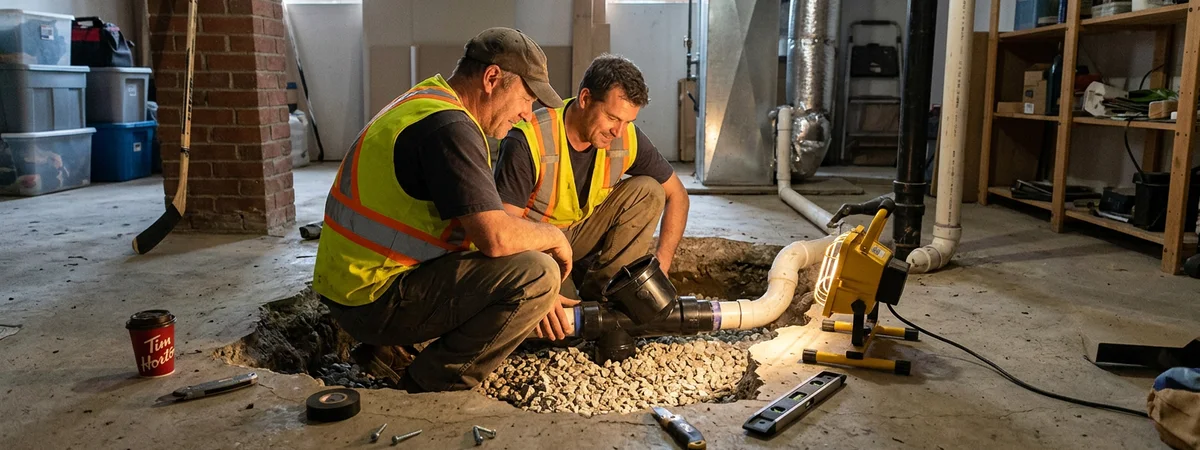
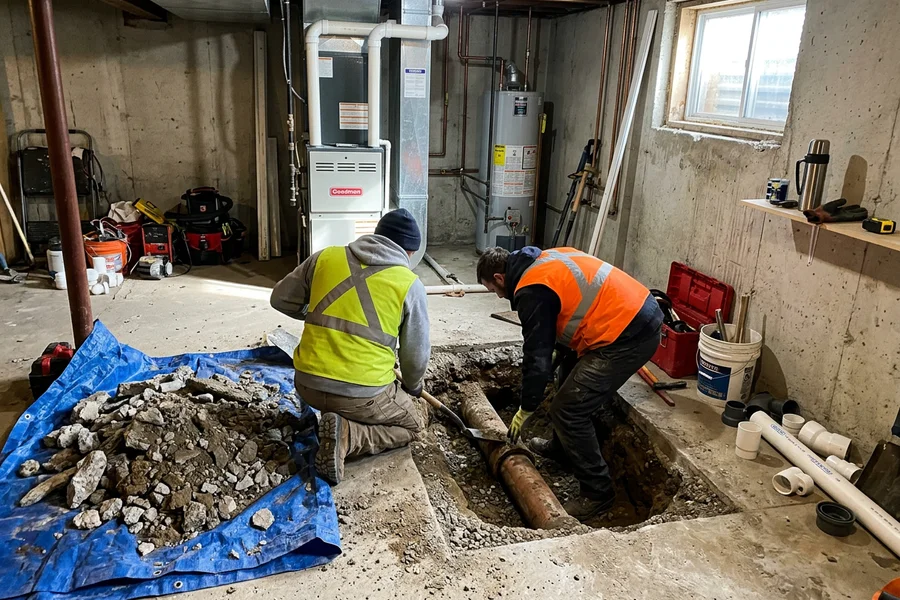
Backwater Valve Installation Toronto plumbers beside a cut basement floor pit with the sewer lateral exposed

Most Calls Start With One of These Four Moments

Look, most of our calls come after the fact, usually a sewer backup that pushed raw sewage up the floor drain. We would rather be here before the water does, because preventing sewage damage costs far less than cleaning it up. Buyers land here after a scare, a letter, an inspection or a renovation plan. Each one has a clear next step.

The basement scare

Water came up the floor drain in the last storm, or the house next door flooded. You want protection before the next one.

The insurance letter

Your insurer wants a backwater valve before it renews sewer backup coverage, and the renewal date is close.

The home-inspection flag

A buyer or inspector noticed there is no valve, or the one you have failed. Now it is a closing issue.

The pre-renovation decision

You are about to finish the basement and want the valve in before the floor, drywall and furniture go down.

Residential Backwater Valve Installation

Six residential services for everything from Agincourt bungalows to Leslieville semis, each with published CAD pricing, a drain permit, a backflow test and subsidy filing where it applies.

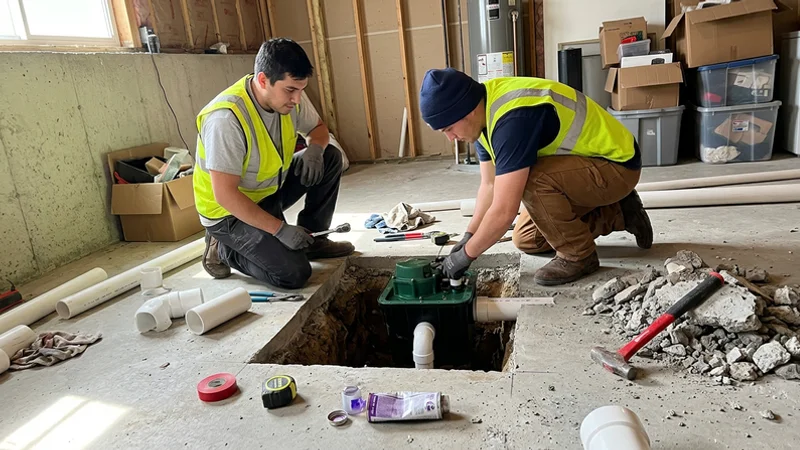
Two installers setting a new Mainline backwater valve in the basement floor pit of a Toronto semi-detached home

Our most common install. We cut a small pit in the basement slab with a dust-shrouded saw, dig to the building drain through Toronto Leda clay, and set a City-approved Mainline, Mustee or Zurn valve on clear stone bedding. Every valve is backflow-tested before the pit is closed, then patched flush with a bolt-down inspection cover you can lift for the annual check. It is usually one day on site, the cleanout stays warm and reachable all winter, and it qualifies for up to from the City,600 per backwater valve from the City subsidy. In our opinion it is the right answer for most Toronto bungalows, semis and two-storey homes.

Interior Backwater Valve Installation details →

When the basement floor can not be cut or the sewer lateral runs deep, we install the valve outside at the property line. That means Ontario One Call locates, a shored trench, a valve set below the 1.2-1.8 m frost line with a deep-burial riser, and clay backfill compacted in lifts so the yard does not sink. We restore sod, interlock or driveway as part of the quote. Exterior jobs cost more and take one to two days, and winter digs need ground thawing. The subsidy is the same up to $1,600 per valve as an interior valve, and we file it after the open-trench inspection.

Exterior Backwater Valve Installation details →

A dual flapper valve adds a secondary backup flap behind the normally-open primary. If wipes, grease or debris hold the first flap open during a sewer surge, the second one closes on its own gasket. We fit an air vent accessory to stop gurgling and a clear polycarbonate cover so you can see both flaps at a glance. It is the valve we recommend for homes that have already flooded more than once, fully finished basements, and low-lying lakefront lots in Mimico, Long Branch and The Beaches. It earns the same $1,600 per backwater valve BFPSP subsidy as a single valve, so the upgrade cost is modest.

Dual Flapper Backwater Valve Installation details →

The only route to the full up to $6,650 Toronto BFPSP subsidy. The valve stops sewer surge from the street, and a sealed sump basin with a cast iron submersible pump handles the groundwater your weeping tile collects. In many older Toronto homes that weeping tile still drains straight into the sanitary sewer, so we cut it off and redirect it to the new sump, then discharge outside through a check valve to a freeze-proof outlet. Licensed ECRA/ESA trades wire the pump on a dedicated circuit with a high-water alarm. Together they form a complete basement flood protection system, and we prepare both subsidy applications, up to $1,600 per valve for the valve and $2,250 for the sump + $300 for battery backup.

Combination Backwater Valve and Sump Pump details →

Thousands of Toronto valves went in during the first subsidy wave, and many are now reaching the end of their life. A cracked body, warped flapper, seized float or hardened gasket can leave you with a valve that looks fine and does nothing. We confirm the failure with a backflow test, then swap in a current Mainline, Mustee, Zurn or Watts model sized to your pipe, usually in the existing pit with no new floor cut. Most replacements take about half a day. Subsidy eligibility depends on the original install and its permit history, so we check that before you book.

Backwater Valve Replacement details →

Water coming up the floor drain, or nothing in the house will drain at all? Your valve is likely stuck open or stuck shut. We dispatch the same day across Toronto with trucks stocked with valve parts, push rods, a camera and backflow test gear. The crew diagnoses the flapper, pulls out wipes, grease and debris, rods and flushes the line, and backflow-tests the valve before leaving. Most calls end in one visit. While you wait, stop running water and appliances and take photos for insurance. If the valve is beyond saving, we quote a replacement on the spot.

Emergency Backwater Valve Repair details →

Mainline Valves for Condos, Multi-Unit and Commercial Buildings

Owners, boards and property managers get the same licensed crew, the same backflow testing and paperwork built for insurers and reserve funds.

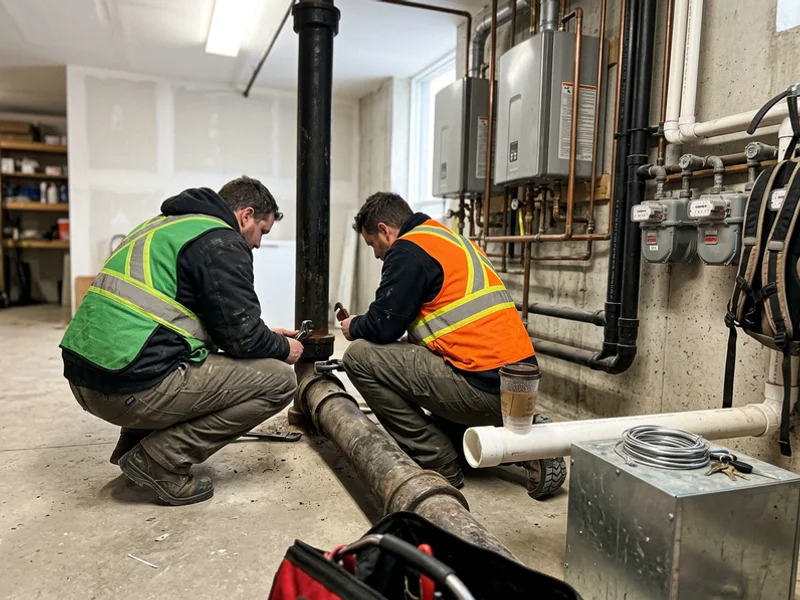
Two plumbers working on a 6-inch main drain in the utility room of a Toronto multi-unit building

Mainline Valves for Multi-Unit and Condo Buildings

Duplexes, fourplexes, rooming houses and condo townhouses usually share one building drain, so a single mainline backwater valve placed after every fixture protects every unit at once. Larger buildings often run a 6-inch lateral, and we stock 6-inch valve bodies and couplings for them. We post tenant notices, agree a short water-off window, usually one afternoon, and keep shared basements clean and passable while we work. Boards and owners get the permit number, backflow test certificate, photos and an itemized invoice for the reserve fund and the building insurer. Residential multi-unit installs can still qualify for the City subsidy.

Learn more →

Commercial Property and Storefront Installs

Main-street storefronts, restaurants and mixed-use buildings along Toronto commercial strips often have basement storage, washrooms or prep space below street level. One sewer backup can mean lost stock and days of closure. We assess the building drain, plan the install around business hours, and size the valve to the actual flow, including grease interceptors where they apply. Work is done under a City of Toronto drain permit and inspected like any residential job. The City residential subsidy does not apply to commercial properties, but published CAD pricing does, and we quote after a walk-through so you know the number before we start.

Learn more →

Property Management Annual Inspection Programs

Property managers with several buildings can put every backwater valve on one annual inspection schedule. Each visit includes a backflow test, a flapper, gasket and float check, seat cleaning and a written report with photos, filed by address so you always know which valve was tested and when. Insurers increasingly ask for that record at renewal, and it catches stuck flappers before a storm finds them. We can add sewer lateral camera scopes on older buildings with clay or cast iron laterals. Pricing is the same published $150-$350 per valve, with scheduling built around tenants and building access.

Learn more →

Insurance Claim Installs for Commercial Owners

After a sewer backup claim on a rental or commercial property, many insurers want a valve installed before they renew. We work directly with adjusters through our 4 partner networks, scope any drain repair and the valve install as one job, and sequence it with the restoration crew so the floor is cut once. The documentation package includes an itemized invoice, the drain permit number, the inspection result, a backflow test certificate and dated photos, formatted for underwriting. We never promise premium discounts, because the insurer decides that, but clear proof of a tested valve is what most renewals hinge on.

Learn more →

Interior Pit vs Exterior Excavation: Which Install Fits Your Home?

Both methods use the same City-approved valves and qualify for the same $1,600 per backwater valve BFPSP subsidy. The difference is where the work happens.

Interior backwater valve pit cut into the basement slab of a Scarborough bungalow

Interior Pit Install

A saw-cut pit in the basement slab, usually near the front wall. One day on site, $1,800-$3,200, and the cleanout stays warm and easy to service. Best for most homes with a reachable building drain.

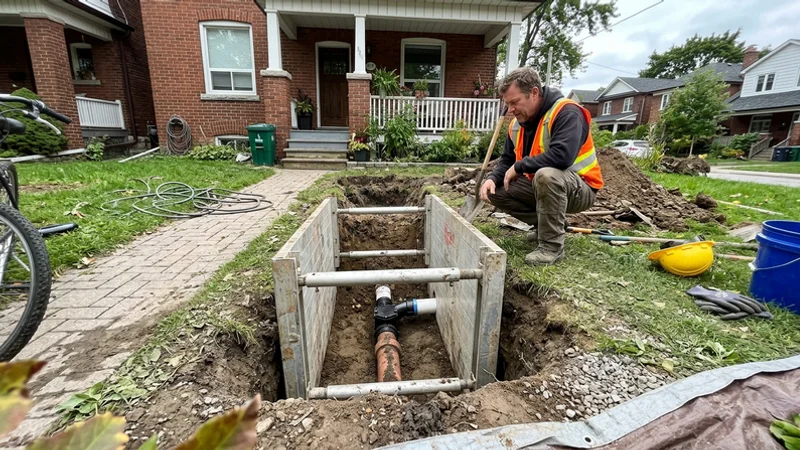
Exterior backwater valve excavation at the property line of an Etobicoke home with the sewer lateral exposed

Exterior Excavated Install

A shored trench at the property line, with the valve below the frost line and a riser to grade. One to two days, $2,500-$4,500, plus yard restoration. Best for deep laterals and floors that can't be cut.

Factor Interior Pit Exterior Excavation
Price before rebate$1,800-$3,200$2,500-$4,500
Time on siteAbout 1 day1 to 2 days
Winter installsNo issueFrozen ground adds time
Annual accessFloor cover, warm and easyRiser cap in the yard
City subsidyUp to up to $1,600 per valveUp to up to $1,600 per valve

In our opinion, interior is the better choice for most Toronto homes. Exterior earns its higher price when the basement floor is finished with something you can't replace or the lateral runs too deep for a sensible pit. The free camera scope settles it.

How Does a Backwater Valve Work?

A backwater valve is a one-way gate on your main building drain. Most models we install are normally open: the flapper rests up, so wastewater flows out and the plumbing vents freely. When the City sewer surcharges in a storm and sewage starts flowing back toward your house, a float lifts the flapper shut against a rubber seal. It stays closed until the sewer level drops, then reopens on its own. No power is needed. While it is closed, avoid running water in the house, because nothing can drain out until the surge passes.

Where Should a Backwater Valve Be Installed?

On the main building drain, after the last fixture connects and before the pipe leaves the house. In most Toronto homes that is near the front basement wall, where the sewer lateral heads to the street. Inside, the valve sits in a pit under the floor with a cover you can reach. Outside, it goes at the property line below the frost line with a riser to grade. It should never be installed where it blocks a sump discharge or a weeping tile with no other outlet. The camera scope at your assessment shows exactly where your drain exits.

Backwater Valve vs Backflow Preventer

They protect different pipes. A backwater valve sits on your sewer drain and stops sewage from the street flowing back into your basement. A backflow preventer sits on your water supply and stops contaminated water from being drawn back into the clean drinking water system, as with a lawn sprinkler or boiler. Anti-siphon valves are a simple type of backflow preventer for hose bibs. The City of Toronto subsidy covers backwater valves, not supply-side backflow preventers. Our crews are certified to CSA B64.10, the standard for backflow prevention, so we test both kinds.

Toronto Basement Flooding Protection Subsidy: Up to up to $6,650 Back

Here is the thing with the City of Toronto rebate: the money is real and most people do not realise how much of it they are leaving on the table. The City of Toronto Basement Flooding Protection Subsidy Program pays homeowners to install flood protection. After the 2005 Finch Avenue washout flooded about 4,700 homes across the GTA, the City built the program to get backwater valves into older basements before the next storm. Today it pays up to up to $1,600 per valve for a backwater valve and up to up to $2,250 more (sump + battery) for a sump pump, for a maximum of up to $6,650 per home.

The money is real, but the rules are strict. The work must be done by a licensed plumbing contractor under a City of Toronto drain permit. A City plumbing inspector has to sign it off. The invoice must be paid in full, with labour and materials itemized and a zero balance. The application needs the permit number, the inspection result and the contractor's licence details. Downspouts have to meet the City's disconnection rules. Miss any one of those and the claim stalls or gets rejected.

That's where most do-it-yourself claims go wrong, and it's the part we built the company around. Subsidy filing is included with every eligible install at no extra fee. We confirm eligibility at the assessment, file the permit, book and attend the inspection, write the invoice the way the City wants it, assemble the packet and submit it. Then we track it until the cheque arrives, usually 6-8 weeks after submission. The cheque goes straight to you.

The program covers Toronto residential addresses only. Homeowners in Mississauga, Vaughan and other GTA municipalities may have their own local programs, and we'll tell you what applies at your assessment. Full details are on our City of Toronto rebate application service page.

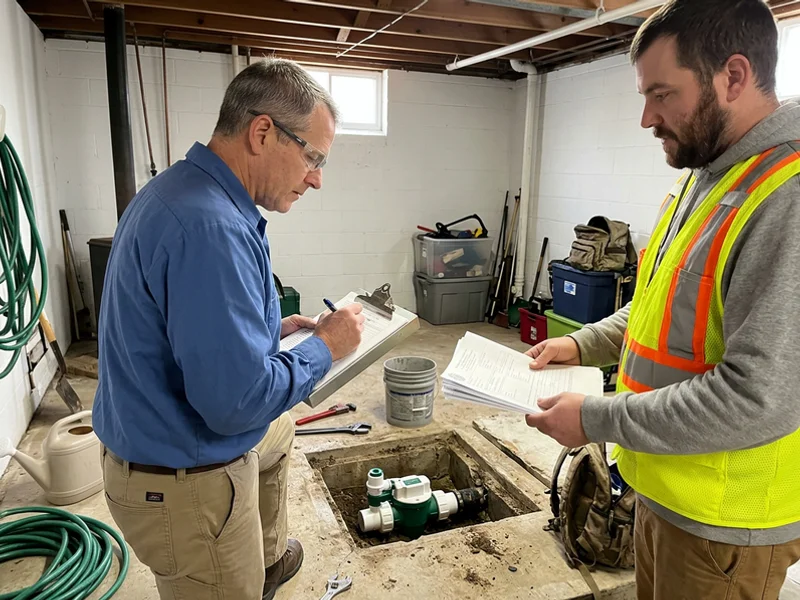
City plumbing inspector checking a new backwater valve install

Your subsidy at a glance

  • Backwater valveup to up to $1,600 per valve
  • Sump pump (with valve)+ $500
  • Maximum per homeup to $6,650
  • Our filing fee$0, included
Check Your Toronto BFPSP (Up to $6,650)

From First Call to Rebate Cheque: Timeline and Drain Permits

Most Toronto installs follow the same rhythm. The free in-home assessment takes about an hour, including the camera scope. We template the job within 2 business days and apply to Toronto Building for the drain permit the same week. Permits usually come back within a few business days.

Install day is usually one day for an interior pit and one to two days for an exterior dig or a combo with a sump pump. The concrete patch is walkable in about 48 hours. We book the City plumbing inspection as soon as the valve passes its backflow test, and we meet the inspector so you don't need to take time off.

After sign-off and payment, the subsidy application goes in. The cheque typically arrives 6-8 weeks later. All told, plan on eight to ten weeks from first call to rebate in hand, with only one or two days of actual work in your home. Not glamorous, we know. But that is the honest timeline, and we would rather tell you up front than have you wondering in week five.

  1. Day 1 Free assessment and camera scope. Written CAD price.
  2. Days 2-3 Job templated. Drain permit filed with Toronto Building.
  3. Week 1-2 Install day. Valve set and backflow-tested.
  4. Week 2 City plumbing inspection. Pit closed and patched.
  5. Weeks 3-10 Subsidy filed and tracked until the cheque arrives.

Backwater Valve Installation Cost in Toronto (2026 Prices)

Published upfront rates before City of Toronto subsidies. We never gate pricing behind hidden quotes.

Interior Pit Install

$1,800 - $3,200

Pit-based install cut beneath the basement concrete floor. Most popular for Toronto bungalows and two-storey homes.

Eligible for up to up to $1,600 per valve City Rebate
  • Dust-shrouded concrete saw cut
  • Mainline MBV or Zurn approved valve
  • City of Toronto drain permit pulled
  • Certified backflow test and inspection sign-off
View Interior Pit Install
Max Subsidy Return

Combo Valve + Sump Pump

$5,500 - $9,500

Complete basement flood protection. A backwater valve plus a sealed submersible pump basin.

Captures the Full up to $6,650 Maximum Rebate
  • Protection against sewer surge and groundwater
  • Licensed Toronto plumber + ECRA/ESA electrical
  • Both City rebate applications prepared
  • Written 2-year workmanship warranty
View Combo Valve + Sump Pump

Exterior Excavated Install

$2,500 - $4,500

Installed at the property line. Ideal for finished basements where interior concrete removal is restricted.

Eligible for up to up to $1,600 per valve City Rebate
  • Shored trench and frost-depth compliance
  • Leda clay compaction and backfill
  • Sod, interlock and driveway restoration
View Exterior Excavated Install

Backwater Valve Installation Cost in Ontario: What Drives the Price

Across Ontario, backwater valve prices move on the same handful of factors. Depth, floor finish, pipe condition, valve type and whether a sump pump goes in with it. In Toronto specifically, where you live changes the mix: a Scarborough 1960s bungalow and a Rosedale century home can land $800 apart on an interior install.

Depth is the biggest swing. A building drain two feet below the basement slab is a half-day pit. One at four or five feet in wet Leda clay needs trench shoring, more concrete to patch and often an extra crew member. North York split-levels and Scarborough post-war homes commonly sit at the deeper end because of how laterals were trenched in the 1950s and 60s.

Floor finish is the second swing. Bare concrete is quick. Tile and engineered plank take careful removal, and anything laid over asbestos tile adds disposal steps that are mandatory in Toronto. We flag this at the free assessment so the quote matches what we find on install day, not after.

Pipe condition changes the plan when the camera finds a cracked clay or cast iron joint. The repair goes in before the valve, protected with a transition coupling. We quote both the valve and any lateral repair up front, so you see the real total before we book.

Valve type matters next. A single normally-open flapper is the baseline. A dual-flapper upgrade for homes with repeat flooding adds roughly $300-$600 in parts. A 6-inch mainline body for a multi-unit building is a larger spend but protects every unit at once.

On 2026 pricing in Toronto, most interior installs land between $1,800 and $3,200 and most exterior installs between $2,500 and $4,500. After the City subsidy, a typical $2,600 interior job costs about $1,350. Add a sump pump and the combo runs $5,500-$9,500, with up to $6,650 BFPSP back (per cap) when the paperwork is clean.

Outside the City of Toronto, Mississauga, Vaughan and Markham run their own programs with different caps and timelines. We confirm what applies at your assessment, so there are no rebate surprises after the install. Every price band is on the pricing page, and the cost estimator shows your range net of rebate.

Not sure if you need interior, exterior or a combo?

One free visit with a camera scope answers it, with a written CAD price before you decide.

Our 5-Step Installation Process

How The Backwater Valve Toronto Crew installs a backwater valve, from sewer camera inspection and drain permit to backflow test and City rebate, step by step.

  1. Step 1

    In-Home Drain Assessment and Camera Scope

    Every job starts in your basement, not on a price list. A licensed plumber walks the main drain, finds the floor drain and cleanout, and runs a push camera down the sewer lateral to see where it leaves the house and what shape it's in. We check slope, look for roots and cracked clay joints, measure depth, and confirm whether the pipe is vitrified clay, cast iron or PVC. That tells us whether an interior pit or an exterior dig fits, which valve size you need, and whether the joint we'll tie into needs repair first. We also confirm your City of Toronto subsidy eligibility on the spot. The assessment and camera scope are free, and you get a written CAD price before you leave the conversation.

  2. Step 2

    City of Toronto Drain Permit

    Before a saw touches your floor, we apply to Toronto Building for the drain permit on your behalf. The permit is what makes the job legal, what triggers the City plumbing inspection, and what the Basement Flooding Protection Subsidy checks first. We fill in the application with your property details, the valve model and the install location, pay the fee as part of your quote, and track it until it's issued. Most permits come back within a few business days, and we template the install while we wait. If your home sits in a heritage district or the lateral crosses a City easement, we flag that here so there are no surprises later. You don't stand in line or fill out a single form.

  3. Step 3

    Interior Pit Excavation or Exterior Dig

    For an interior install we cover the work area, cut the slab with a dust-shrouded diamond saw, and dig down to the building drain through the fill and Leda clay, usually two to five feet. For an exterior install we call in Ontario One Call locates, shore the trench, and expose the lateral near the property line, below the 1.2-1.8 m frost line. Either way, the valve is set on 3/4-inch clear stone bedding at the correct fall, tied in with proper couplings, and fitted with a cleanout and access riser you can reach later. Concrete and soil leave the property the same day. Then we test the valve under load before anything gets closed up.

    Some installers skip the backflow test, which voids both the warranty and the subsidy. We test every valve under load.

  4. Step 4

    Valve Installation, Backflow Test and Mitchell Harrington Quality Review

    With the valve set, we run a backflow test: water is introduced downstream to simulate a sewer surge, and we confirm the flapper closes and holds with zero reverse leakage across the seal. We record the result, photograph the sealed chamber and note the model and serial number. Founder Mitchell Harrington then reviews the backflow test documentation and CSA B64.10 compliance before the pit is closed. Only after that sign-off do we backfill with clear stone, pour the concrete patch flush with your floor and bolt down the inspection cover, or backfill and compact outside in lifts. The same paperwork later goes to the City inspector, your insurer and the subsidy application, so it has to be right the first time.

  5. Step 5

    City Inspection and Rebate Submission

    Once the install is complete, we book the City of Toronto plumbing inspection and meet the inspector on site so you don't have to take the day off. After sign-off, we assemble the subsidy packet: the paid, itemized invoice with a zero balance, the drain permit number, the inspection result and our licensed plumber details. We submit it to the Basement Flooding Protection Subsidy Program and keep tracking it. The cheque goes to the homeowner and typically arrives 6-8 weeks after submission. Up to $1,600 comes back per backwater valve (max 2 devices), or up to $6,650 BFPSP total when a sump pump and battery backup went in on the same job. If the City asks a question, we answer it. That part is included with every install.

Why Toronto Homeowners Trust Us

Seventeen years of Toronto backwater valve experience and 2,400+ installs across North York, Scarborough, Etobicoke, East York and central neighbourhoods like The Annex and Roncesvalles.

1 City Rebate Expertise

We file the Basement Flooding Protection Subsidy on every eligible install at no extra fee, then track it until the cheque arrives. If paperwork is rejected because of install documentation, we correct it at no cost.

2 Licensed Toronto Plumber + ECRA/ESA Where Applicable

Every drain connection is done by a licensed Toronto plumber to the Ontario Plumbing Code, and every sump pump circuit by licensed ECRA/ESA trades.

3 Backflow Prevention Certified (CSA B64.10)

Every valve is backflow-tested under load before the pit is closed. That test protects your warranty, your subsidy and your insurer paperwork.

4 Insurance Adjuster Network Partner

Partnered with 4 GTA insurance adjuster networks for post-flood installs, so scope, photos and invoices go straight to the people who need them.

5 Published CAD Pricing

Every price band is on this site, before any visit. No gated quotes, no surprise extras, and a written price before work starts.

6 Written 2-Year Workmanship Warranty

The cut, the patch, the tie-ins and the install are covered in writing, on top of the manufacturer warranty on the valve body.

Approved installer for Mainline MBV, Mustee, Zurn and Watts backwater valves.

17

Years in Toronto drains

2,400+

Installs completed

up to $6,650

Max City subsidy filed for you

2-Year

Written workmanship warranty

5-Star Customer Satisfaction

Real feedback from homeowners in Willowdale, The Beaches and Scarborough after basement floods, insurance demands and rebate filings.

"Mitchell's crew pulled the drain permit, cut the floor, installed the Mainline valve and had the City inspector back in a week. Rebate cheque landed six weeks later, exactly as he predicted."

David K., Willowdale

Interior install $2,400 CAD

"After two floods, insurance basically required a backwater valve or they would not renew. Backwater Valve Toronto did the install plus the paperwork. Premium stayed flat."

Priya S., The Beaches

Exterior install $3,600 CAD

"I had a sump pump already, so they did the combo install for the full Toronto BFPSP subsidy (up to $6,650 per property). Out of pocket was under $4,000 for a $5,800 job."

Marcus O., Scarborough

Combo install

What Toronto Homeowners Are Dealing With Now

Toronto Basement Flooding in 2026: What the Numbers Say

The pattern hasn't changed much since the 2005 Finch Avenue washout, which flooded about 4,700 homes across the GTA. Most basement flooding in Toronto still comes from sewer backup during short, intense storms, not from rivers. Older neighbourhoods with combined sewers and post-war homes with weeping tile tied into the sanitary line are hit hardest. What has changed is awareness: more homeowners now ask about valves before a flood rather than after. Our own call volume follows the storms, with spring and late summer the busiest seasons for both emergencies and new installs.

Insurance Renewal Denied After a Basement Flood?

It happens more often than people expect. After a sewer backup claim, some insurers will only renew sewer backup coverage if a backwater valve is installed, and a few drop the coverage entirely after a second claim. If you've received that letter, ask your broker exactly what proof they need and by when. Then book an assessment. We coordinate with your adjuster, install and test the valve under a permit, and send a single file with the itemized invoice, permit number and backflow test certificate. Our insurance claim install page explains the steps.

Sewer Surge Is Getting More Frequent Across the GTA

Heavier downpours in shorter bursts are now a normal part of Toronto summers. Sewers built decades ago for a smaller city and gentler storms fill fast, and when they surcharge, the lowest openings in the system are basement floor drains. Infill development adds more hard surfaces and more flow into the same pipes. A backwater valve doesn't fix the sewer, but it stops the sewer from emptying into your home. The fall is a good install window: the ground is workable, permits move quickly, and the valve is in before the spring thaw and storm season.

Selling Your Home? The Backwater Valve Pre-Sale Checklist

Buyers and their home inspectors now look for a backwater valve. Before you list, confirm you have one and know where the cover is. Book a backflow test and get a written report with photos. If the lateral is old clay or cast iron, add a camera scope so there are no surprises. Gather any permit, inspection and invoice records from the original install. If the valve fails, a half-day replacement in the existing pit is usually cheaper than the price cut a buyer will ask for. Our inspection service delivers the report the same day.

Service Areas Across Toronto + GTA

Local dispatch trucks stocked with Mainline MBV valves, diamond saws and backflow test equipment, covering all six Toronto districts and the surrounding GTA.

Toronto homeowners

Most of our work is single-family homes across the six Toronto districts, from 1950s bungalows to century semis. If you have a basement below street level and no tested valve, you are who we built this service for.

Finished-basement owners

If your basement has flooring, drywall and furniture worth protecting, we plan the cut around your finishes or go outside to the property line. Dual flapper valves add a backup for high-value spaces.

Insurance claimants

After a sewer backup claim, we coordinate with your adjuster, combine any drain repair with the valve install and deliver the documents your underwriter wants to see before renewal.

Multi-unit and condo owners

Duplexes, fourplexes, rooming houses and condo townhouses get one properly sized mainline valve, a planned water-off window and paperwork for the board and insurer.

Pre-sale sellers

Selling soon? An inspection and backflow test with a written report answers the home inspector before they ask. If the valve fails, a half-day replacement keeps the closing on track.

Also Serving Surrounding GTA Municipalities:

  • Mississauga
  • Brampton
  • Vaughan
  • Markham
  • Richmond Hill
  • Aurora
  • Newmarket
  • King City
  • Nobleton
  • Maple
  • Oshawa
  • Pickering
  • Ajax
  • Whitby
  • Milton
  • Oakville
  • Burlington
  • Halton Hills
  • Caledon
  • Bolton

The City of Toronto subsidy covers Toronto addresses only. Other GTA municipalities run their own programs, and we confirm what applies at your assessment.

Backwater Valve Installation Toronto Toronto, ON, Canada (437) 782-5622 Phone line answered 24/7
View All Toronto Service Areas

Backwater Valve Questions From Toronto Homeowners

Everything you need to know about Toronto backwater valves and the City subsidy.

How much does backwater valve installation cost in Toronto?

Most installs run $1,800-$4,500 CAD before the rebate. Interior pit installs are $1,800-$3,200 and exterior excavated installs are $2,500-$4,500. The Toronto BFPSP subsidy pays up to $1,600 per backwater valve (max 2 devices), plus up to $2,250 for a sump pump and $300 for battery backup, capped at $6,650 total per property or 80% of invoiced cost. Where you land in the band depends on how deep the sewer lateral sits, how thick the slab is, whether the floor is finished, and what the camera scope finds at the joint we connect to. We publish every price band on the pricing page and confirm the exact number at the free in-home assessment, before any concrete is cut.

Does the City of Toronto offer a rebate for a backwater valve?

Yes. The Toronto Basement Flooding Protection Subsidy (expanded May 1, 2026) pays up to $1,600 per backwater valve (max 2 devices), plus up to $2,250 for a sump pump and $300 for battery backup, capped at $6,650 total per property or 80% of invoiced cost. See [toronto.ca BFPSP](https://www.toronto.ca/services-payments/water-environment/managing-rain-melted-snow/basement-flooding/basement-flooding-protection-subsidy-program/). To qualify, the work has to be done by a licensed plumber under a City of Toronto drain permit, pass the City inspection, and be paid in full with an itemized invoice. We file that paperwork with every install at no extra fee, so you don't have to chase permit numbers or inspection records yourself. The cheque usually arrives 6-8 weeks after submission.

Are backwater valves required in Ontario?

Not for most existing homes, but they are strongly recommended, and some insurers now require one before renewing sewer backup coverage after a claim. New construction and major renovations that touch the building drain can trigger a valve under the Ontario Plumbing Code, and the City of Toronto encourages retrofits through the subsidy. In our opinion, any Toronto home with a finished or partly finished basement, a floor drain below street level, or a history of backups should have one. A $2,000 valve is cheap next to a $40,000 basement cleanup.

Interior pit install vs exterior excavated install: which is better?

In our opinion interior is better for most Toronto homes because the cleanout stays warm and easy to service, and the job usually finishes in one day. Exterior makes sense for deep laterals, finished basements where the floor cannot be cut, or homes where the building drain is hard to reach from inside. Exterior installs cost more because of excavation, frost-depth risers and yard restoration. Both qualify for the same $1,600 per backwater valve BFPSP subsidy. We confirm which fits your home with the camera scope at the free assessment.

How long does backwater valve installation take?

An interior install is usually one day on site and an exterior install one to two days, plus permit lead time and the City inspection booking. Most jobs are templated within 2 business days of the assessment. The concrete patch is walkable in about 48 hours. From first call to rebate cheque, a typical Toronto job takes 8-10 weeks, with most of that time spent waiting on the City to process the subsidy.

Do I need a permit to install a backwater valve in Toronto?

Yes. The City of Toronto requires a drain permit for a backwater valve install, and the subsidy depends on it. We apply for the permit with Toronto Building on your behalf before any concrete is cut, then book the plumbing inspection once the valve is in and tested. Skipping the permit is the most common reason a rebate gets rejected.

How does the City of Toronto subsidy paperwork work?

We file it for you after the City inspection, with the paid itemized invoice and permit sign-off attached. The application needs the drain permit number, the inspection result, a zero-balance invoice that separates labour and materials, and the licensed plumber's details. We assemble every piece, submit it, and keep tracking it. The cheque usually arrives 6-8 weeks after submission and goes straight to the homeowner.

Can I combine a backwater valve with a sump pump install?

Yes. A combo install qualifies for up to $2,250 sump pump subsidy plus $300 for battery backup, on top of the $1,600 per backwater valve (max 2 devices). Total program cap is $6,650 per property or 80% of invoiced cost, whichever is lower. It's the right fit for homes with weeping tile still tied into the sanitary sewer, a high water table, or a basement that takes on groundwater as well as sewer surge. Combo installs run $5,500-$9,500 CAD before the rebate and include ECRA/ESA electrical for the pump circuit.

Will home insurance pay for a backwater valve installation?

Rarely. Insurers usually do not pay for the valve itself, but having one may lower premiums or make renewal possible after a sewer backup claim. We partner with 4 insurance adjuster networks and produce the itemized invoice, permit number and backflow test certificate underwriters ask for. We never promise a premium discount, because your insurer decides that.

What warranty comes with a backwater valve installation?

Every install carries a written 2-year workmanship warranty, and the valve body is covered by the manufacturer's warranty. The backflow test we run on every valve protects both. Some installers skip that test, which can void the manufacturer coverage and the City subsidy at the same time.

How do you tell if you have a backwater valve?

Look for an access cover set into the basement floor, usually near the front wall where the main drain leaves the house. Many newer valves have a clear lid so you can see the flapper, while older ones sit under a bolt-down plate or inside a cleanout pit. Exterior valves show up as a riser cap in the front yard. If you can't find one, the free sewer camera inspection at our assessment confirms whether a valve is installed and whether it still closes under a backflow test.

Is there a backwater valve installer near me in Toronto?

Yes. Our crews work across all six Toronto districts, including Willowdale, Agincourt, Mimico, Leslieville, Roncesvalles and The Annex, plus Mississauga, Vaughan, Markham and the rest of the GTA. Free assessments are templated within 2 business days, and emergency calls for a stuck valve get same-day dispatch. The phone line is answered 24/7.

Still have a question?

A licensed plumber can answer it on the phone or at your free assessment.

Call (437) 782-5622
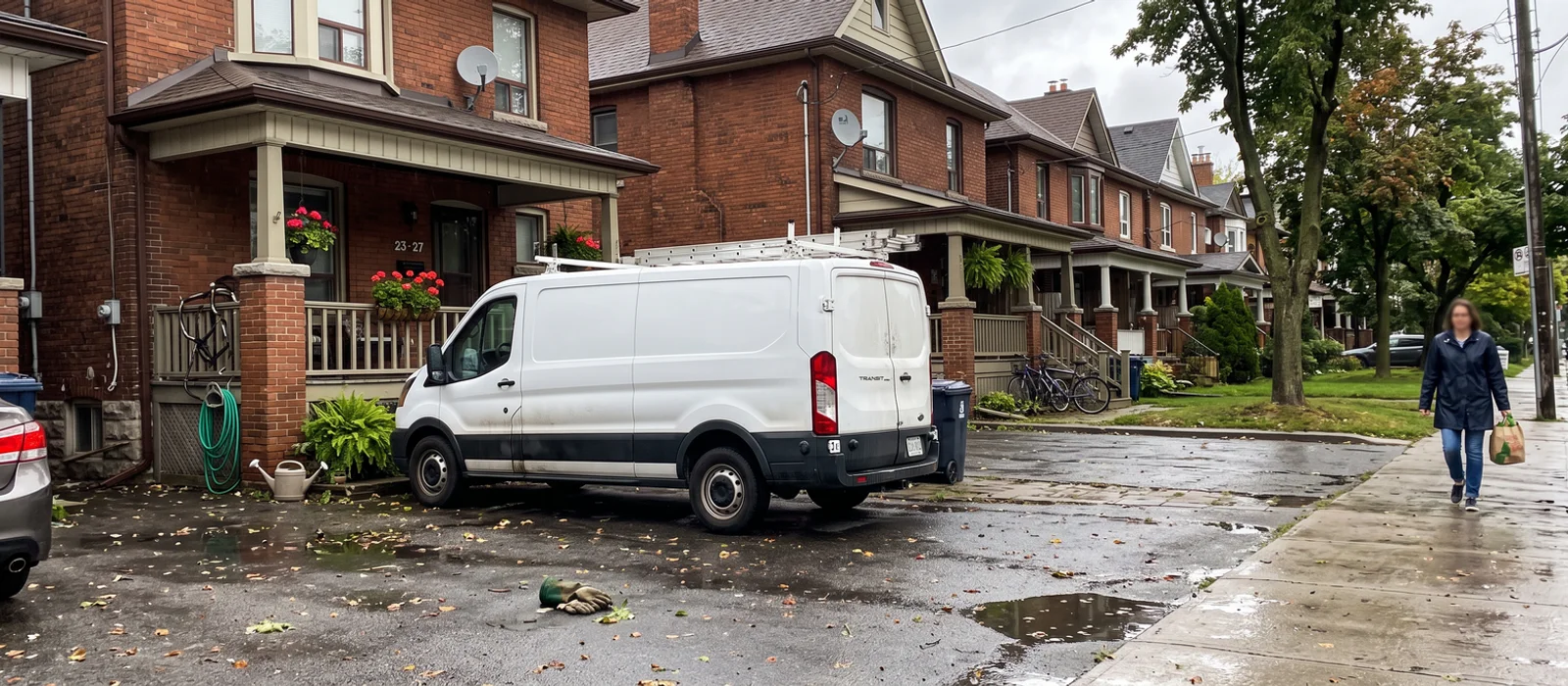
Toronto residential street after a rainstorm with a plumbing crew truck at the curb

Protect Your Toronto Basement Before The Next Storm

One visit confirms valve sizing, permit requirements and your rebate eligibility. The assessment and camera scope are free. Honestly, that is the whole pitch. We would rather spend an hour at your house now than pump out a finished basement later.

  • Free camera scope
  • Published CAD pricing
  • Written 2-year workmanship warranty
Call (437) 782-5622Check Toronto BFPSP (Up to $6,650)