17 Years Toronto PlumbingCSA B64.10 CertifiedWSIB & $2M CGLLicensed · Permitted · Rebate-FiledMulti-Unit Ready
Mainline Backwater Valve Installation in Toronto, ON | Whole-House, Multi-Unit & Rebate-Ready
· By The Backwater Valve Toronto Crew
Backwater Valve Installation Toronto installs mainline backwater valves on the main building drain, so one valve protects every toilet, shower and floor drain in the house. It's our go-to for whole-house protection, duplexes, fourplexes, condo townhouses and small commercial buildings. A licensed plumber pulls the City of Toronto drain permit, picks an access pit location you can actually reach, routes sump discharge correctly, and backflow-tests the valve before closing up. For residential installs we file the Toronto Basement Flooding Protection Subsidy, worth up to up to $1,600 per valve. Seventeen years and 2,400+ Toronto installs mean we've planned plenty of tenant water-off windows.
Mainline installs run $2,800-$4,800 per install before the rebate (2026 pricing). We spec Mainline MBV, Mustee Flood-Fix, Zurn Z1095 and Watts BV-100 valves, with normally-open flapper or dual-flapper configurations depending on sewer lateral depth and risk tolerance. Every install includes drain permit coordination, backflow test certification to CSA B64.10, City inspection booking, and rebate paperwork across North York, Scarborough, Etobicoke, Toronto East, Toronto West and the rest of the GTA. Written 2-year workmanship warranty, WSIB coverage, $2M CGL.
Up to $1,600 per valveRebate
Residential Mainline Installs Qualify
Up to up to $1,600 per valve from the City of Toronto subsidy, up to $6,650 with a sump pump. We file it.
The crew will call you shortly to book your free assessment.
17 Years of Toronto Backwater Valve Experience
Backflow Certified to CSA B64.10
WSIB Registered, $2M CGL
2,400+ Installs Completed
Engineering Specifications
Main Building Drain Protection: 4 Decisions That Shape the Install
Where the valve goes, how it's reached and how it works with your sump decide how well it protects the building.
Whole-House Sewer Protection
Whole-house sewer protection means the valve sits on the main building drain after every fixture has joined it. Toilets, showers, laundry and floor drains all discharge through it, so when Toronto's combined sewers surcharge in a storm, one closed flapper stops sewage from reaching any of them. That's the difference between a mainline valve and the small fixture valves some older homes have on a single floor drain. What a mainline valve doesn't stop is groundwater coming through foundation walls or a weeping tile that's tied in upstream. That's why we check where your weeping tile connects during the sewer lateral camera scope. When it joins the sanitary line, a combo install with a sump pump is the safer plan.
Access Pit Location Choice
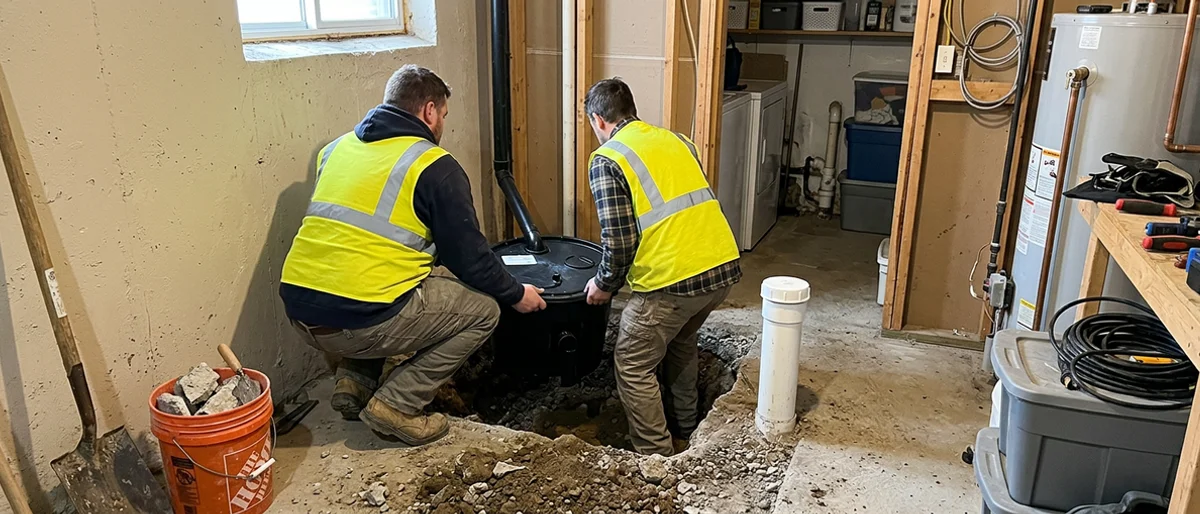
Access pit location choice is the decision homeowners live with longest. The valve has to sit on the main drain near where it leaves the building, but within that stretch there's often a choice: the laundry room, a utility room, the furnace area, or along the front wall. We favour spots that stay unfinished, because you'll lift the cover once a year and during any emergency. In a finished basement, we look for a closet floor or plan a removable panel over the cover. We'll mark two options on the floor and talk them through with you before cutting. A good location costs nothing extra, and it saves real frustration later.
Integration with Sump Pump Discharge
Integration with sump pump discharge is where many mainline installs go wrong. If a sump pump empties into a floor drain or a pipe upstream of the valve, it will pump against a closed flapper during a surge, and that water ends up on your basement floor. We route sump discharge outside, with a check valve and a freeze-protected outlet, or into a separate path that bypasses the backwater valve entirely. Downspouts get the same check under Toronto's Mandatory Downspout Disconnection bylaw. The result is a system where the valve blocks the sewer and the sump keeps working at the same time, which is exactly what you need during a storm.
Multi-Unit and Condo Considerations
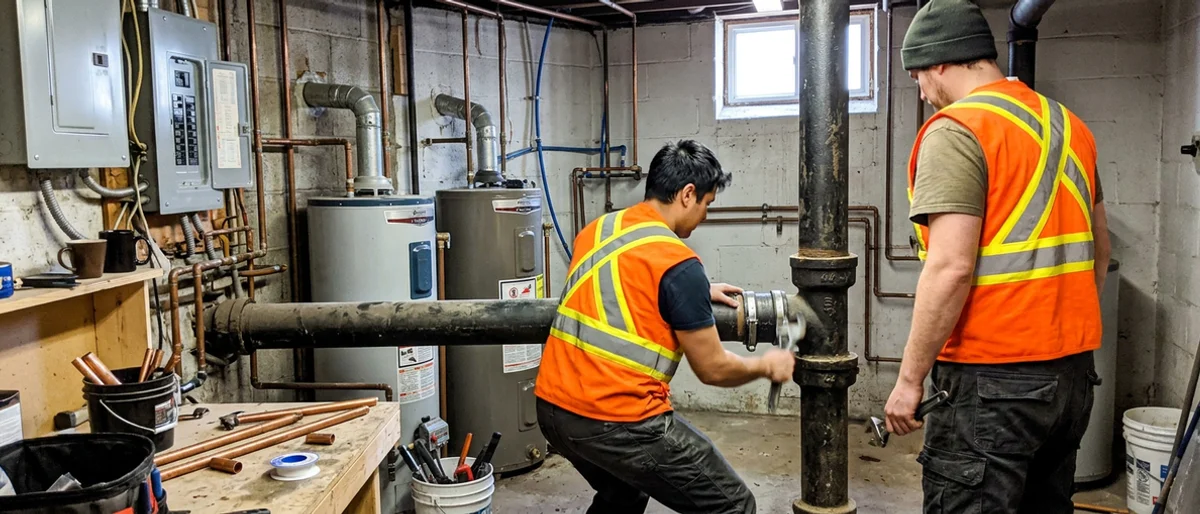
Multi-unit and condo considerations add planning, not complexity. Larger buildings, like low-rise walk-ups in Mimico and Parkdale, often run a 6-inch lateral, so we stock 6-inch valve bodies and couplings. Every unit loses water during the tie-in, so we post tenant notices, agree a water-off window, usually one afternoon, and stage materials so the drain is open for as short a time as possible. Shared basements need dust control and clear walkways. For condo boards and property managers, we provide the permit number, backflow test certificate, photos and an itemized invoice for the reserve fund and the insurer. Residential multi-unit installs can still qualify for the City subsidy, and we confirm eligibility at the assessment.
4 Reasons Toronto Owners Choose Whole-House Sewer Protection
Every fixture is covered. A Mainline Backwater Valve (MBV) on the main building drain protects the whole DWV system, not just the floor drain. Basement toilets, showers and laundry tubs are all behind it.
Combined sewers back up hard. Much of old Toronto, from Leslieville and Riverdale to Parkdale and the Annex, still runs on combined sanitary and storm sewers. In a cloudburst, a sanitary main backup can push sewage up any low opening at once.
One valve beats several. Multi-unit buildings with a single lateral need one properly sized valve, not a patchwork of fixture valves that each need checking.
Insurers and boards ask for it. Whole-house protection reads better on an insurance renewal and in a reserve fund study than a single drain plug. See our insurance claim installs for the paperwork side.
Ontario Plumbing Code Part 7 sets the rules for where a backwater valve can go and how it’s vented, and we follow it on every install.
Is a Whole-House Valve Overkill for a Single-Family Home?
In our opinion, no. For a single-family house, whether a North York bungalow or a Riverdale semi-detached, a “mainline” valve and a standard interior backwater valve installation are often the same thing: one valve on the building drain after the last fixture. The price difference comes from pipe size, materials and access, not from the label.
Where it can be more than you need is a home with no basement plumbing at all and no floor drain below street level. The Backwater Valve Toronto Crew will tell you if that’s your situation at the free in-home drain assessment. If the house has both sewer and groundwater issues, the better answer is usually a backwater valve and sump pump combo, which also qualifies for up to $6,650 in subsidy. For yards where the drain is easier to reach from outside, an exterior install can carry a mainline valve too.
Why Toronto Homeowners Trust Us
Why Choose Backwater Valve Toronto for Mainline Valve?
Seventeen years and 2,400+ installs across North York, Scarborough, Etobicoke and central Toronto.
1 City Rebate Expertise
We file the subsidy on eligible residential mainline installs and track it until the cheque arrives.
2 Licensed Toronto Plumber
A licensed Toronto plumber leads every install, with ECRA/ESA trades for any sump pump circuit.
3 Backflow Tested to CSA B64.10
Tested under load before closing, with a certificate your board or insurer can file.
4 Tenant-Friendly Scheduling
Posted notices and a short, planned water-off window, usually one afternoon.
5 Sump Discharge Done Right
Discharge routed outside or around the valve, so the pump never fights a closed flapper.
6 Written 2-Year Workmanship Warranty
Covers the pit, tie-ins and valve install. Published CAD pricing from $2,800.
Zero Hassle Process
How Our Mainline Valve Process Works
How The Backwater Valve Toronto Crew protects your basement and files your City rebate.
Step 1
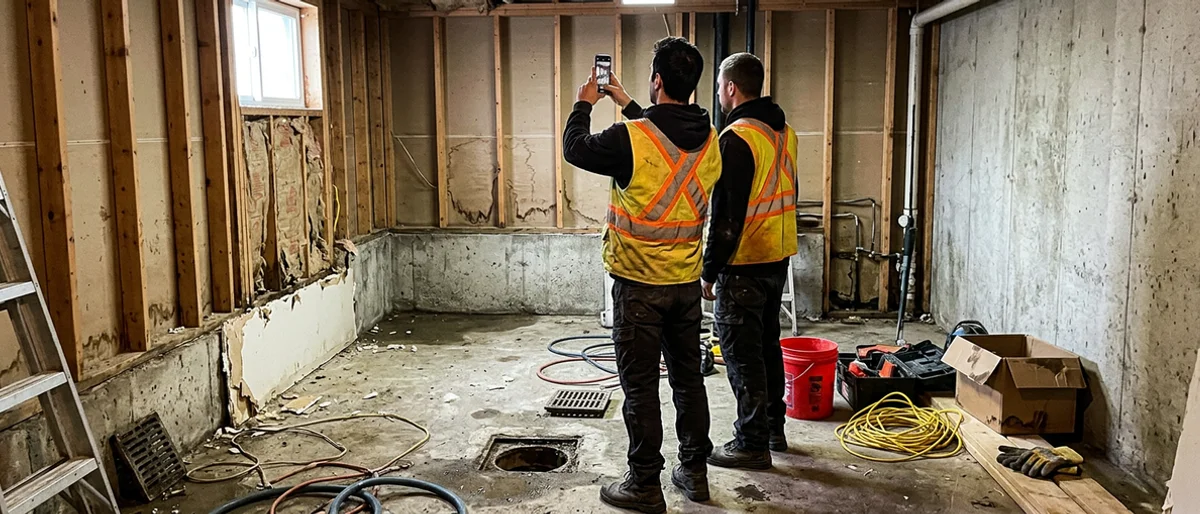
In-Home Drain Assessment and Camera Scope
We inspect the main drain, find where the sewer lateral leaves the house, check slope, and confirm whether the pipe is clay, cast iron or PVC. We also confirm your subsidy eligibility. The visit and camera scope are free.
Step 2
City of Toronto Drain Permit
We apply to Toronto Building for the drain permit on your behalf before any concrete is cut. No permit means no subsidy, so we never skip this step.
Step 3
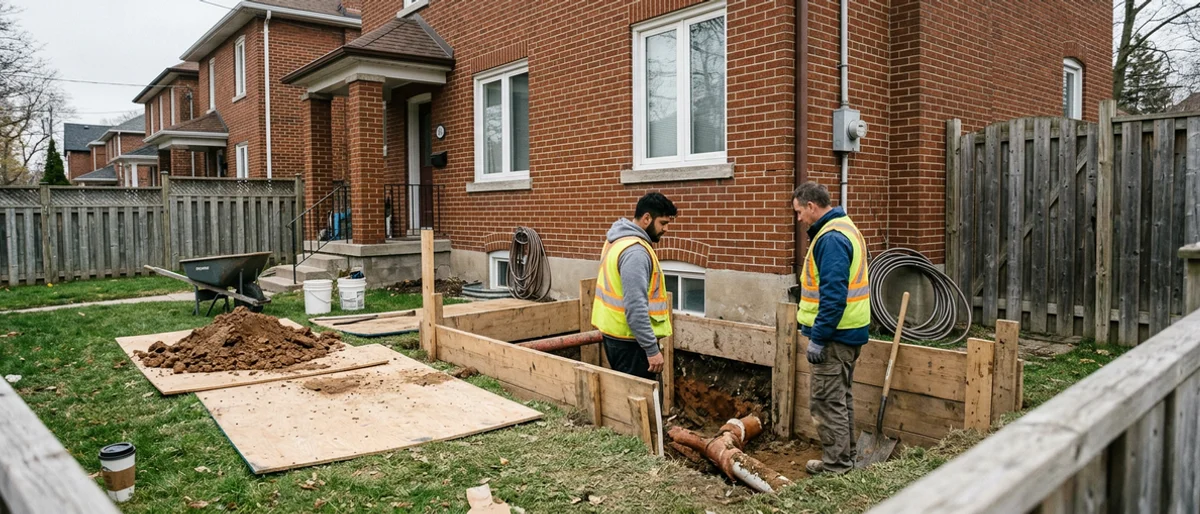
Interior Pit Excavation or Exterior Dig
Dust-shrouded saw cut inside, or a shored excavation at the property line outside. The valve is set on 3/4-inch clear stone bedding with cleanout access.
Some installers skip the backflow test, which voids both the warranty and the subsidy. We test every valve under load.
Step 4
Valve Installation, Backflow Test and Mitchell Harrington Quality Review
We backflow-test the new valve, record the results and photos, and founder Mitchell Harrington reviews the test documentation and CSA B64.10 compliance before the pit is closed.
Step 5
City Inspection and Rebate Submission
The City inspector signs off, then we file the Basement Flooding Protection Subsidy paperwork. The cheque typically arrives 6-8 weeks after submission.
Want a written price for mainline valve before you commit?
The assessment and camera scope are free. You see the CAD price in writing before any work starts.
How Much Does a Mainline Backwater Valve Cost in Toronto?
A mainline backwater valve installation in Toronto costs $2,800-$4,800 CAD before the rebate (2026 pricing). A single-family home with a 4-inch drain and an easy pit location lands near the bottom. Six-inch laterals, cast iron transitions, multi-unit coordination and sump re-routing move it up.
Residential installs qualify for up to from the City,600 per backwater valve from the City of Toronto subsidy, so a $3,400 mainline install costs about $2,150 after the cheque. Commercial and condo pricing is quoted after the walk-through, using the same published bands.
What affects the price
How it moves your quote
Lateral size (4-inch or 6-inch)
6-inch valves and couplings cost more.
Pipe material at the tie-in
Cast iron or clay needs transition couplings.
Sump discharge re-routing
Moving a discharge line outside adds a few hours.
Number of units
Tenant notices and shared spaces add planning time.
Published Price
Mainline Valve$2,800 - $4,800
per install, before rebate
Residential installs eligible for up to up to $1,600 per backwater valve Toronto BFPSP subsidy
✓Whole-house protection on the main building drain
✓Access pit placed where you can service it
✓Sump discharge routed correctly around the valve
✓4-inch and 6-inch lateral sizes for houses and multi-unit
Group crew photos from real Toronto basements and property lines. Tap any photo to enlarge.
Customer Proof
What Customers Say About Our Mainline Valve
★★★★★
"We own a fourplex. One mainline valve covers all four units, and they handled the tenant notices and kept the water-off window to one afternoon."
Daniel W., Parkdale
Mainline install $4,600 CAD
★★★★★
"They put the access pit in the laundry room where it is easy to reach and routed the sump discharge properly. Inspector signed off on the first visit."
Grace H., Leslieville
Mainline install $3,400 CAD
Clear Answers
Mainline Valve FAQs
How much does a mainline backwater valve cost in Toronto?
A mainline backwater valve costs $2,800-$4,800 CAD before the rebate in 2026, depending on lateral size (4-inch or 6-inch), access pit location and building type. Residential installs qualify for up to back,600 per backwater valve back from the City of Toronto Basement Flooding Protection Subsidy, which we file for you.
Can one mainline valve protect a multi-unit building?
Yes, when the valve sits on the main building drain downstream of every fixture, so all units share one protected line. We size it to the 4-inch or 6-inch lateral, post tenant notices and plan a water-off window of usually one afternoon.
Do I need a permit for a mainline backwater valve in Toronto?
Yes. The City of Toronto requires a drain permit and a plumbing inspection for every backwater valve install, and both are needed to claim the subsidy. A licensed plumber on our crew pulls the permit and books the inspection.
How long does a mainline valve install take?
Most interior mainline installs take one day once the drain permit is issued, and exterior installs take 1-2 days. In multi-unit buildings the water is off for one planned window, usually an afternoon.
Where does sump discharge go with a mainline valve?
Outside or to a separate route, never through the closed valve. We set a check valve and a freeze-protected outlet so the sump keeps working during a sewer surge.
Can a mainline valve go in a century home?
Yes. In Roncesvalles, High Park and the Junction we often work around heritage drain stacks, cast iron or clay pipe and rear-lane access, using transition couplings at the tie-in.
What's the difference between a mainline valve and a floor drain valve?
A floor drain valve protects one opening. A mainline valve sits on the main building drain and protects every toilet, shower, laundry tub and floor drain in the house at once.
Can I still use water while the valve is closed?
Keep use to a minimum. When the flapper is shut during a surge, water you send down the drains has nowhere to go until the sewer drops.
What documentation does a condo board need for a backwater valve?
Boards and building insurers usually ask for the City drain permit number, a CSA B64.10 backflow test certificate, install photos and an itemized CAD invoice. We provide all four on every condo and multi-unit install.
Do commercial buildings qualify for the Toronto backwater valve subsidy?
No. The City subsidy covers residential properties only. We still install mainline valves on storefronts and mixed-use buildings, quoted after a walk-through.
Still have a question?
A licensed plumber can answer it on the phone or at your free assessment.