17 Years Toronto PlumbingCSA B64.10 CertifiedWSIB & $2M CGLLicensed · Permitted · Rebate-Filed
Backwater Valve Replacement in Toronto, ON | Swap Failed Valve in Existing Pit
· By The Backwater Valve Toronto Crew
Backwater Valve Installation Toronto replaces aged and failed backwater valves across Toronto, usually in the existing pit and usually in half a day. Many valves from the first subsidy wave are now 15 years old, and a cracked body, warped flapper or seized float can leave you with no protection at all. A licensed plumber diagnoses the failure with a backflow test and camera, pulls the City of Toronto drain permit, swaps in a current City-approved model and retests it. Before you book, we check whether the replacement qualifies for the Toronto Basement Flooding Protection Subsidy. After 17 years, we've replaced valves from nearly every brand installed in this city.
Replacements run $1,500-$3,000 per replacement. We spec Mainline Backwater Valves, Mustee or Zurn models, with normally-open flapper or dual-flapper configurations depending on sewer lateral depth and risk tolerance. Every swap includes drain permit coordination, backflow test certification, City inspection booking, and rebate paperwork where eligible, across North York, Scarborough, Etobicoke, Toronto East, Toronto West and the rest of the GTA. Written 2-year workmanship warranty, WSIB coverage, $2M CGL.
CheckRebate
Subsidy Eligibility Checked Before You Book
Replacements can qualify depending on the original install and permit history. We confirm it first.
The crew will call you shortly to book your free assessment.
17 Years of Toronto Backwater Valve Experience
Backflow Certified to CSA B64.10
WSIB Registered, $2M CGL
2,400+ Installs Completed
Engineering Specifications
How We Replace a Backwater Valve
Diagnose first, match the right model, swap with as little disruption as possible, and sort out the subsidy before you pay.
Diagnosing a Failed Valve
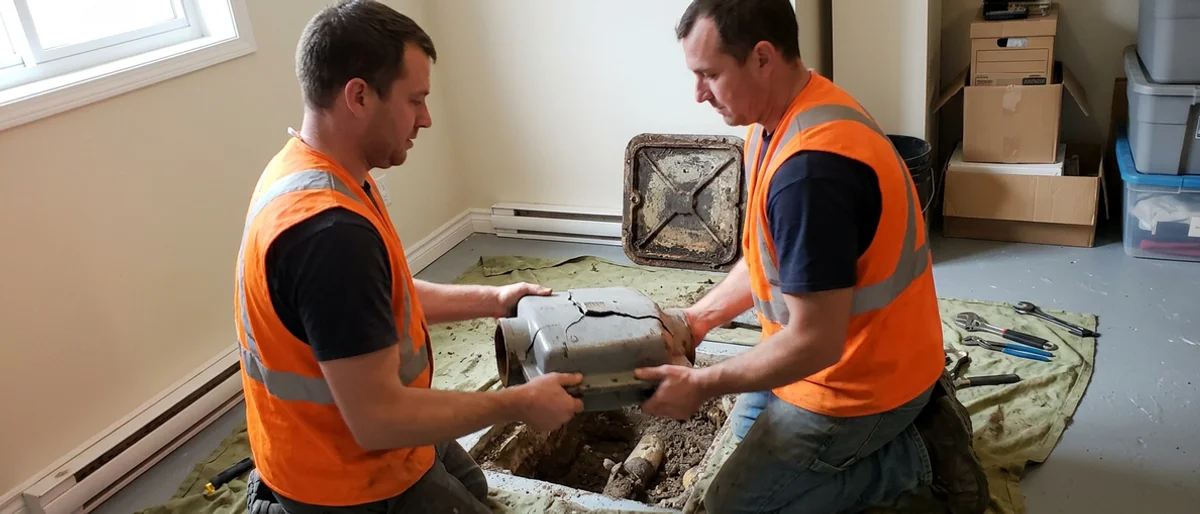
Diagnosing a failed valve starts with a backflow test, because a valve that looks fine can still leak backward. We simulate a surge and watch whether the flapper seats and holds. Then we look closely: a cracked valve body, a warped flapper that no longer sits flat, a seized float, a torn or hardened neoprene gasket, or debris damage from years of wipes and grease. Homeowners usually notice clues first, such as sewer odour near the cover, slow drains, gurgling, or water around the cover after a storm. A quick camera check confirms the pipe on either side is sound. You get photos and a plain explanation of what failed and why.
Compatible Replacement Models
Compatible replacement models have to match two things: the pipe size and the space you already have. Most Toronto homes run a 4-inch building drain, some larger homes and multi-unit buildings a 6-inch. The new valve body also needs to fit the existing pit depth and footprint, or we have to enlarge it. We carry Mainline MBV, Mustee Flood-Fix, Zurn Z1095 and Watts BV-100 bodies, which cover nearly every pit we open. If your old valve had no clear cover, the new one will, so you can check the flapper yourself. Where repeat floods are a concern, we'll quote a dual flapper body as an option alongside a straight swap.
Minimum-Disruption Swap Method
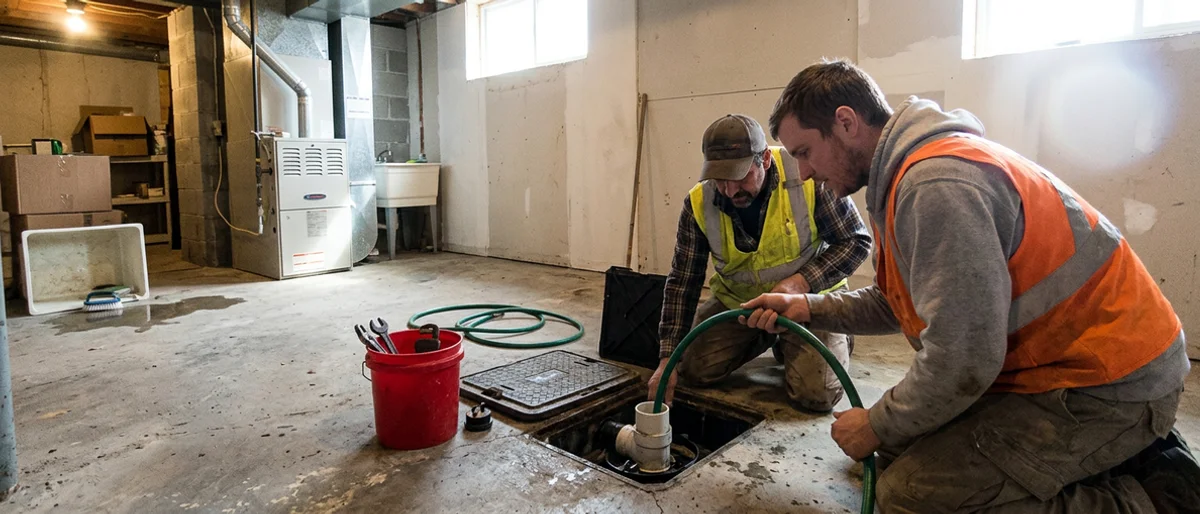
Our minimum-disruption swap method reuses the existing pit wherever possible, so there's no new floor cut. We lift the cover, pump out any standing water, and cut the old valve body out cleanly. The new valve goes in with transition couplings and stainless clamps sized to your pipe material, whether PVC, cast iron or clay. We set it at the right fall, backflow-test it, and refit or upgrade the access cover. Most swaps take about half a day. You'll need to hold off on water use for a couple of hours while the drain is open. If the old pit is too shallow or cracked, we tell you before starting and quote the fix.
Rebate Eligibility on Replacement
Rebate eligibility on replacement isn't automatic, so we check it before you book. The City of Toronto subsidy is aimed at new protection, and a replacement may or may not qualify depending on whether the original valve was subsidized, when it was installed, and whether it had a permit. We look at your permit history and any old paperwork you have, then tell you plainly whether to expect a cheque. Either way, the replacement still needs a drain permit and inspection, and we handle both. If it does qualify, we file the application with the paid itemized invoice. If it doesn't, you'll know up front, not after you've paid.
6 Signs Your Backwater Valve Needs Replacing
It failed a backflow test. The clearest sign. If the flapper doesn’t seal under a simulated surge, it won’t seal in a real one.
The valve body is cracked. Older PVC and ABS bodies can crack from settling, frost or a heavy object dropped on the cover.
The flapper is warped or the float is seized. A flapper that no longer sits flat, or a float that won’t lift, leaves the valve stuck open.
The neoprene gasket is torn or hard. Gaskets age. A hardened seal lets sewage seep past even when the flapper closes.
You smell sewer gas near the cover. Odour around a closed cover often means a failed seal or a cracked body.
Water appeared around the cover after a storm. That’s sewage getting past the valve, and it needs attention right away. Call our emergency backwater valve repair line if it’s happening now.
Repair or Replace? How We Decide
We start from the cheapest fix that actually works. If the flapper is stuck on wipes or grease, cleaning it and retesting may be all you need. If the gasket is the only worn part and your model takes a replacement seal, we fit one. Both are covered under inspection and testing or an emergency visit.
In our opinion, a cracked body, warped flapper or seized float means replacement. Patching those parts buys months, not years, and a failed valve during a storm costs far more than the swap. If your old pit is in good shape, the replacement usually goes in the same spot with no new floor cut. If it isn’t, we may recommend a fresh interior backwater valve installation in a better location. You’ll see the test result and photos before you decide.
Why Toronto Homeowners Trust Us
Why Choose Backwater Valve Toronto for Replacement?
Seventeen years and 2,400+ installs across North York, Scarborough, Etobicoke and central Toronto.
1 City Rebate Expertise
We check subsidy eligibility on every replacement before booking and file it when the swap qualifies.
2 Licensed Toronto Plumber
Diagnosis, permit and swap are done by a licensed Toronto plumber, not a handyman.
3 Backflow Tested to CSA B64.10
We test the old valve to prove it failed and test the new one to prove it works.
4 Existing Pit Reused
No new floor cut in most homes. A typical swap takes about half a day.
5 Repair or Replace, Honestly
If cleaning or a new gasket will do, we'll say so. Not every failed test means a new valve.
6 Written 2-Year Workmanship Warranty
Covers the swap and tie-ins. Published CAD pricing from $1,500.
Zero Hassle Process
How Our Replacement Process Works
How The Backwater Valve Toronto Crew protects your basement and files your City rebate.
Step 1
In-Home Drain Assessment and Camera Scope
We inspect the main drain, find where the sewer lateral leaves the house, check slope, and confirm whether the pipe is clay, cast iron or PVC. We also confirm your subsidy eligibility. The visit and camera scope are free.
Step 2
City of Toronto Drain Permit
We apply to Toronto Building for the drain permit on your behalf before any concrete is cut. No permit means no subsidy, so we never skip this step.
Step 3
Interior Pit Excavation or Exterior Dig
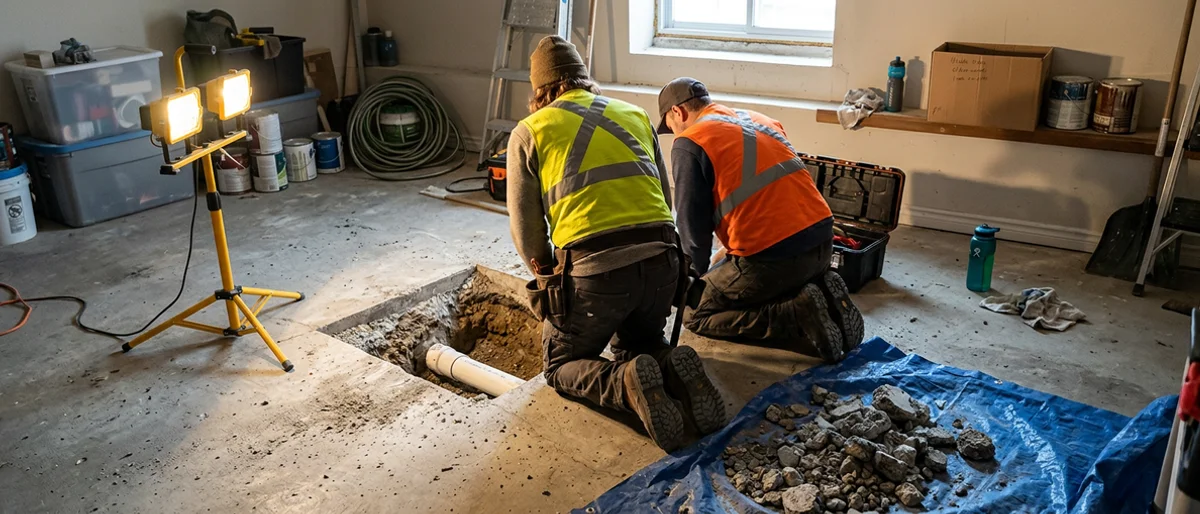
Dust-shrouded saw cut inside, or a shored excavation at the property line outside. The valve is set on 3/4-inch clear stone bedding with cleanout access.
Some installers skip the backflow test, which voids both the warranty and the subsidy. We test every valve under load.
Step 4
Valve Installation, Backflow Test and Mitchell Harrington Quality Review
We backflow-test the new valve, record the results and photos, and founder Mitchell Harrington reviews the test documentation and CSA B64.10 compliance before the pit is closed.
Step 5
City Inspection and Rebate Submission
The City inspector signs off, then we file the Basement Flooding Protection Subsidy paperwork. The cheque typically arrives 6-8 weeks after submission.
Want a written price for replacement before you commit?
The assessment and camera scope are free. You see the CAD price in writing before any work starts.
Backwater valve replacement in Toronto costs $1,500-$3,000 CAD. Reusing the existing pit with a standard 4-inch body keeps it near the low end. Enlarging a pit, moving to a 6-inch or dual flapper body, or repairing a cracked clay or cast iron joint moves it up.
Whether the City of Toronto subsidy applies depends on the original install and its permit history. We confirm that before you book, so the price you agree to is the price you plan around.
What affects the price
How it moves your quote
Pit reused or enlarged
Reusing the pit avoids a new floor cut.
Valve type
Dual flapper and 6-inch bodies cost more.
Pipe condition at the tie-in
Cracked joints are repaired during the swap.
Published Price
Replacement$1,500 - $3,000
per replacement
Subsidy eligibility depends on the original install; we confirm before booking
✓Failure diagnosis with backflow test and camera check
✓Compatible Mainline, Mustee, Zurn or Watts replacement
✓Minimum-disruption swap, existing pit reused where possible
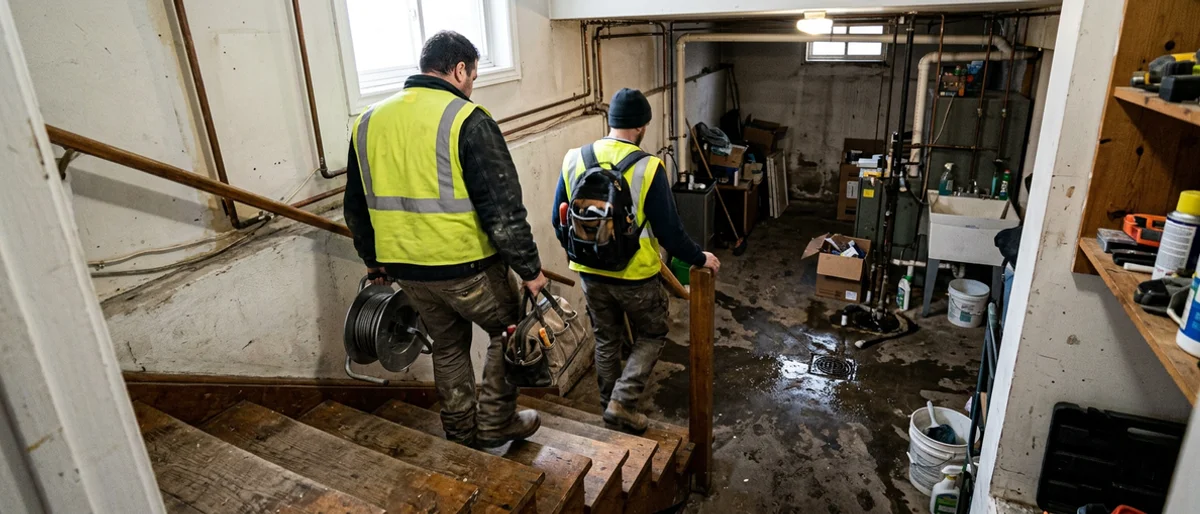
Group crew photos from real Toronto basements and property lines. Tap any photo to enlarge.
Customer Proof
What Customers Say About Our Replacement
★★★★★
"Our valve from 2011 failed its test. They swapped it for a Mainline unit in about half a day and kept the old pit, so no new floor cut."
Michelle C., Newtonbrook
Replacement $1,900 CAD
★★★★★
"The previous installer used a model with no clear cover. The new one went in clean and they checked whether the swap qualified for the subsidy before we booked."
Ahmed Y., Birchcliff
Replacement $2,400 CAD
Clear Answers
Replacement FAQs
How much does backwater valve replacement cost?
$1,500-$3,000 CAD. Reusing the existing pit keeps it near the low end.
Is a replacement valve eligible for the Toronto subsidy?
It depends on the original install and permit history. We check eligibility before you book.
How long does a replacement take?
Usually half a day when the pit is reused, plus the backflow test and inspection booking.
Do you replace valves in North York split-levels?
Yes. Many 1960s North York homes in Willowdale and Don Mills have first-generation valves due for replacement, and we template those within 2 business days.
How long does a backwater valve last?
Often 15-20 years with annual checks, less if it's never cleaned. Gaskets and flappers usually wear before the body does.
Can you repair my valve instead of replacing it?
Sometimes. A stuck flapper or dirty seat can often be cleaned, and some models take a new gasket. If the body is cracked or the flapper warped, replacement is the safe call.
Do I need a permit to replace a backwater valve?
Yes. The City of Toronto treats it as drain work, so it needs a permit and inspection. We file both.
What if my old valve was installed without a permit?
We'll install the replacement under a proper permit, which brings the system into compliance going forward. It may affect subsidy eligibility, and we'll explain how.
Still have a question?
A licensed plumber can answer it on the phone or at your free assessment.